
Choosing the right flooring for your home can feel like a big decision, especially when you want something that looks good, feels comfortable, and lasts for years. In Singapore, two popular choices often come up: SPC flooring and vinyl (LVT) flooring. At first glance, they may seem similar, but once you look a little deeper, the differences become much clearer.
Because our homes are where we rest, work, and spend time with family, it’s important to pick the option that fits your daily lifestyle. This guide breaks down both materials in a simple, easy-to-understand way so you can make a more confident choice.
What Is SPC Flooring?
SPC, or Stone Polymer Composite flooring, is known for its strength and durability. Its core is made from limestone powder, PVC, and stabilizers, which creates a very rigid plank. This rigid structure is why many people choose SPC for areas with heavy foot traffic.
You’ll often find SPC flooring in:
- Retail stores
- Offices
- Commercial units
- Busy workspaces
Because SPC flooring is very hard, it handles large furniture and constant movement quite well. It’s also waterproof, which makes it useful in places where spills or moisture might be common.
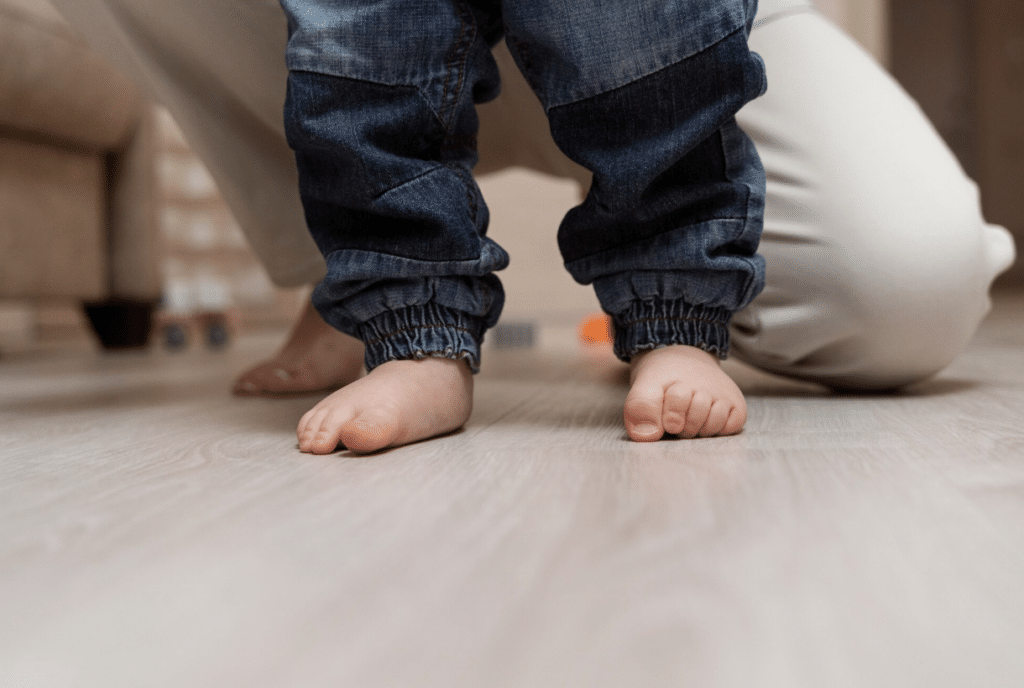
However, this same hardness can make SPC feel colder and stiffer underfoot. If you walk barefoot at home or have children who play on the floor, you may notice that SPC does not have much “give.”
Even though SPC is strong, it isn’t always the best match for the softer, cosier feel many Singapore homeowners prefer.
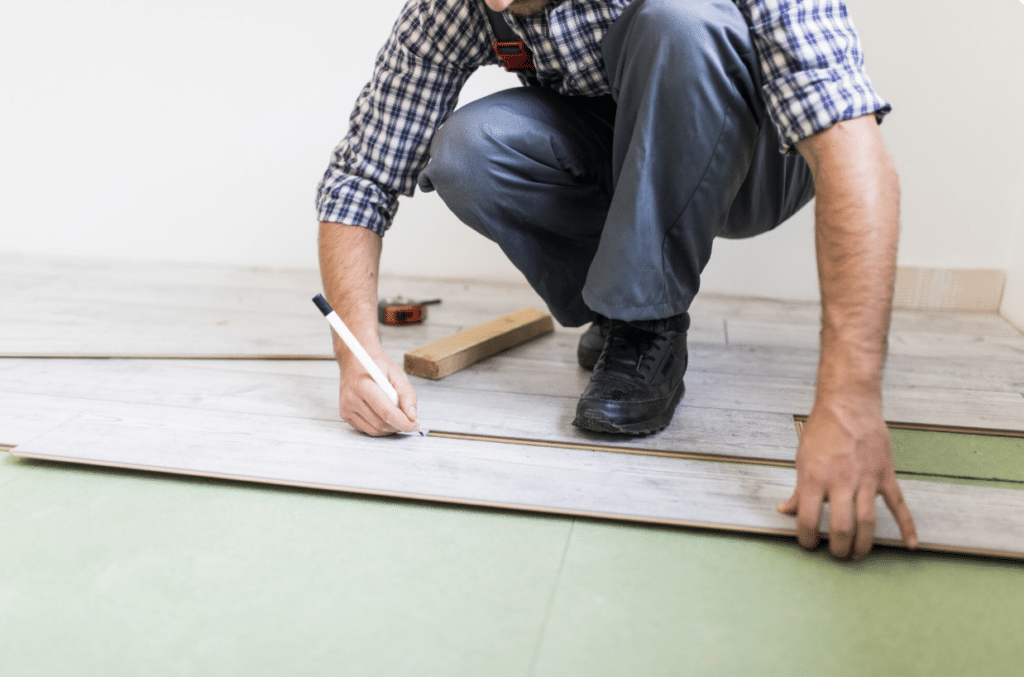
What Is Vinyl (LVT) Flooring?
Vinyl flooring, especially LVT (Luxury Vinyl Tile), has become increasingly popular for homes. Unlike SPC, vinyl uses a flexible PVC core. This flexibility makes the floor more comfortable and easier on your joints. It also gives the flooring a warmer feel, which many people enjoy when moving around the house.
LVT flooring offers:
- Softer steps
- Better shock absorption
- A warmer touch underfoot
- More realistic wood-like textures
Because vinyl flooring absorbs sound better, it creates a quieter home environment. This is especially useful in bedrooms, study rooms, or spaces where you want a calm atmosphere.
Moreover, vinyl flooring is simple to maintain. With regular sweeping and easy cleaning, it stays fresh-looking even in Singapore’s humid weather. This is one reason many families choose it, especially those with kids or pets.
Key Differences Between SPC and Vinyl Flooring
Now that you know what SPC and vinyl flooring are, let’s look at the differences that truly matter for everyday living.
Comfort Underfoot
The feel of a floor matters more than most people realise. After all, you step on it the moment you wake up and walk on it throughout the day.
- SPC Flooring: Feels firm, cold, and rigid. It doesn’t cushion your steps.
- Vinyl Flooring: Feels softer, warmer, and more forgiving.
This difference becomes obvious when you spend long hours standing in the kitchen or when children play on the floor. Vinyl simply feels more comfortable for daily use.
Suitability for Home Environments
SPC Advantages
SPC flooring is very strong. It resists dents and scratches from heavy furniture or hard objects. Because of this, it performs well in areas where durability is the top priority.
SPC Limitations
However, SPC can produce more noise. Footsteps tend to sound sharper and more echoey. Additionally, because SPC is very rigid, it cannot adapt well to uneven subfloors. If your concrete floor has small bumps or dips, SPC may create clicking sounds or tiny height differences between planks over time.
Vinyl Advantages
Vinyl flooring, on the other hand, fits the needs of most Singapore homes more naturally. It adjusts better to the minor imperfections in HDB and condo concrete floors. This flexibility creates a smoother, more even surface.
It also helps reduce noise, which is very helpful if you want a quieter home. Vinyl flooring blends easily with modern interiors as well. When paired with features like fluted panel designs, it adds warmth and texture to the space.
Moisture & Humidity Performance
Singapore has high humidity all year round. Because of this, flooring materials need to handle moisture well.
SPC
SPC is waterproof, but its rigid core and click-lock edges can shift slightly when the temperature changes. As a result, you might hear tapping sounds or notice tiny gaps over time. This is more likely in homes where sunlight hits the floor directly or where there are constant changes in temperature.
Vinyl (LVT)
Vinyl is also waterproof, but its flexible core handles humidity much better. It adjusts naturally to the environment without putting pressure on the joints. This reduces the chance of lifted edges, hollow spots, or moving planks.
If you want your flooring to stay stable without fuss, vinyl offers a more reliable experience in humid climates.
Noise & Acoustics
Most homeowners only notice noise issues after installation, but by then it’s too late to change materials. SPC tends to create more noise due to its hard structure. Footsteps sound sharp, and movement across the floor can echo in tighter spaces.
Vinyl absorbs sound more effectively. It creates a softer, quieter environment—perfect for families who want peaceful mornings or quiet nights. This is also helpful if you live in a condo and want to reduce sound transfer between levels.
Installation Flexibility
Flooring installation plays a big role in how it performs over time.
SPC Installation
Because SPC is rigid, the subfloor must be extremely flat. Any uneven spots can cause the planks to click, lift, or leave tiny gaps. This makes SPC more difficult for older homes or spaces where the concrete is not perfectly leveled.
Vinyl Installation
Vinyl flooring is more flexible, so it adapts better to minor imperfections. This makes installation smoother and reduces the chance of future issues. Many homeowners exploring renovation options at this stage also look at premium engineered wood options, especially for areas like bedrooms or living spaces.
Which Flooring Is Best for Singapore Homes?
Both SPC and vinyl flooring offer useful benefits. However, your choice should depend on how you plan to use your home.
SPC is excellent for busy commercial spaces. Its hardness makes it reliable for high traffic. But for daily home living—especially in bedrooms, living rooms, and family areas—vinyl flooring provides a more enjoyable and comfortable experience.
Vinyl flooring’s softer feel, better sound absorption, and stability in Singapore’s climate make it a practical choice for most homeowners.
Why Wood Origins Recommends Vinyl Over SPC
At Wood Origins, we focus on materials that improve home comfort and long-term use. That’s why we recommend high-quality vinyl flooring for Singapore homes. It offers:
- A warm and natural feel
- Better noise control
- Strong performance in humid weather
- Long-lasting comfort
- Beautiful wood-like designs
With simple daily care, vinyl flooring stays in excellent condition for many years. It brings both style and comfort into the home without requiring complicated upkeep.

Elevate Your Home with Wood Origins Vinyl Flooring
At Wood Origins, we believe your flooring should make your home feel calm, inviting, and beautifully designed. Our curated vinyl collections, premium engineered wood, and elegant fluted wall panels help you create a modern and timeless interior.
We guide you through every step—from choosing the right material to professional installation—so that your home looks stunning and feels great underfoot. If you’re ready to upgrade your space, visit our showroom or reach out for a free consultation.
Let Wood Origins help you create a home that feels warm, comfortable, and uniquely yours.